Skip to content
Home » Navi Mumbai International Airport

Navi Mumbai International Airport

Navi Mumbai International Airport: Powering Connectivity, Commerce, and Growth

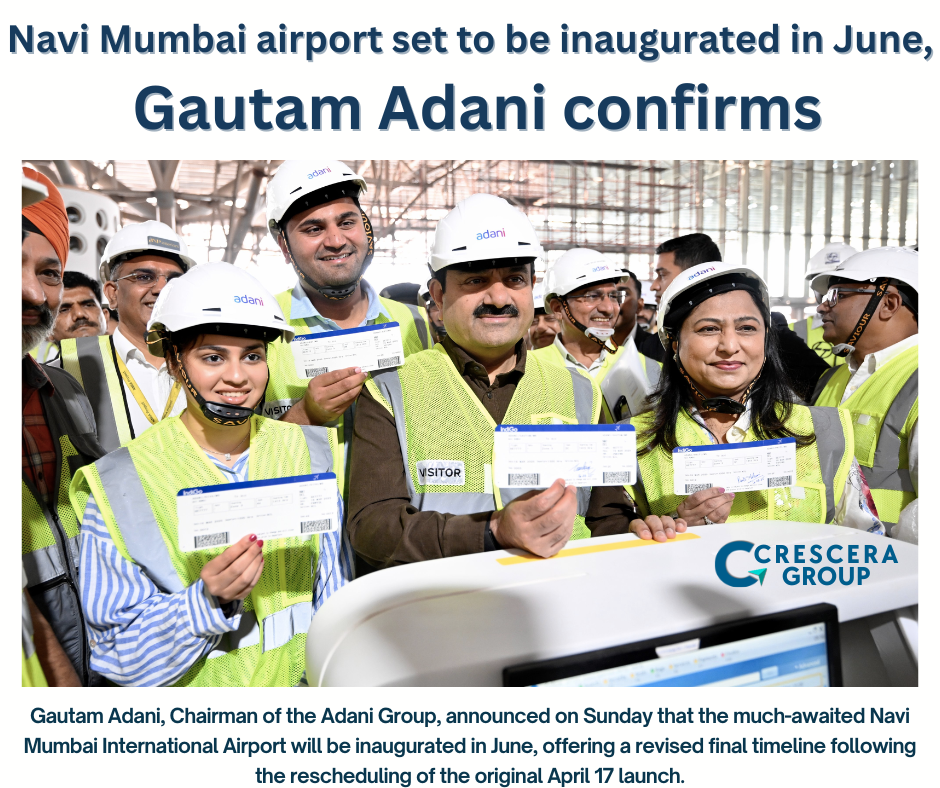
The Navi Mumbai International Airport, one of India’s most eagerly awaited infrastructure projects, will significantly boost the region’s status, economy, and property values once it becomes operational.

Land/Plot in Chirle near Navi Mumbai International Airport

Navi Mumbai Airport Adani
Navi Mumbai Airport land

Navi Mumbai International Airport (NMIA): A Catalyst for Real Estate Growth & Investment

Navi Mumbai International Airport – D. B. Patil International Airport The Navi Mumbai International Airport (NMIA), officially named D. B. Patil International Airport, is set to become one of India’s most transformative infrastructure projects. Located in Ulwe, Navi Mumbai, this greenfield airport is poised to ease congestion at Mumbai’s existing airport, boost regional development, and create a thriving ecosystem for real estate investment, commerce, and job creation.

Strategic Location of NMIA

Situated in the heart of Navi Mumbai, NMIA’s location makes it highly accessible and commercially viable. Key distances include: 35 km from South Mumbai 25 km from Chhatrapati Shivaji Maharaj International Airport (CSMIA) 5 km from KSC New Town (Mumbai 3.0 – the next urban frontier) This strategic positioning is turning Ulwe, Panvel, and Uran into prime zones for residential, commercial, and land investment.

Project Timeline & Development

2017: Groundbreaking construction began. 2021: The Adani Group acquired a majority stake in the project. 2025 (July/August): Expected operational launch as announced by Mr. Gautam Adani. With rapid construction and strong government backing, NMIA is well on track to become a fully functional airport in less than a year.

Airport Design, Features & Capacityment

Phase 1 Highlights: Passenger Capacity: 20 million passengers/year Design: Lotus-inspired terminal architecture Facilities: Two runways, VIP terminals, cargo and general aviation zones 🏗️ Full Expansion by 2032: Capacity to handle 90 million passengers annually Integrated aerotropolis and logistics hub planned This makes NMIA one of the largest and most advanced airports in Asia.

Infrastructure & Connectivity

Seamless Multimodal Access: National Highway 4B: Direct access to Mumbai and Pune Navi Mumbai Metro Line 1: Under-construction connectivity to Taloja and Belapur Mumbai Trans Harbour Link (Atal Setu): Connects South Mumbai in just 25 minutes Mumbai-Hyderabad High-Speed Rail (Proposed): Enhances long-distance accessibility These infrastructure projects make land around NMIA highly desirable and future-proof.

KSC New Town & Aerocity: Next-Gen Urban Planning

Aerocity by CIDCO: A premium commercial aviation hub near NMIA that will include: Hotels & Hospitality Projects MRO (Maintenance, Repair & Overhaul) Facilities Flight Training Academies Business & IT Parks 🏢 KSC New Town (Mumbai 3.0): The Navi Mumbai Airport Influence Notified Area (NAINA) and surrounding regions—Ulwe, Panvel, Uran—are undergoing planned development under CIDCO, MMRDA, and NTDA supervision. Features include: Mixed-use housing clusters Retail, office, and logistics parks Integrated public transport and smart infrastructure

Why Invest in Real Estate Near Navi Mumbai International Airport?

1. 📍 Location Advantage Proximity to an international airport drives land appreciation, particularly in Ulwe, Panvel, and KSC New Town. 2. 💸 High Return on Investment (ROI) Historical data shows land near airports appreciates faster and provides consistent rental yields and capital gains. 3. 👨‍✈️ Aviation-Centric Demand Rising demand from pilots, frequent flyers, aviation executives, and MRO firms is fueling residential and commercial growth. 4. 🏢 Government-Backed Development CIDCO, MMRDA, NAINA, and NTDA are driving planned and regulated urbanization, reducing investment risk.

Projected Impact on Land Prices (Post-NMIA Launch)

Timeframe Growth Outlook Short-Term (1–2 years) Surge in land demand due to construction and early investments Medium-Term (3–5 years) Gradual rise in prices as businesses and infrastructure mature Long-Term (5+ years) Exponential growth once NMIA becomes a global aviation hub

Real Estate Opportunities Around NMIA

Land Acquisition: Open land near Ulwe, Panvel, Uran, and KSC New Town is in high demand among developers and institutional investors. 💡 Investor Insight: Experts project land prices in these areas could double or triple within the next 5–7 years post NMIA’s operational launch.

Conclusion: NMIA – India’s Next Urban Growth Engine

The Navi Mumbai International Airport isn’t just an airport—it’s the cornerstone of India’s next major urban transformation. As it drives economic activity, global connectivity, and real estate development, the regions around NMIA are set to become premium real estate corridors. Whether you’re a homebuyer, business owner, or long-term investor, land near NMIA is a strategic asset that promises: High appreciation potential Strong rental yields Long-term security